

Mastering Meringues: The Sweet Art Behind It
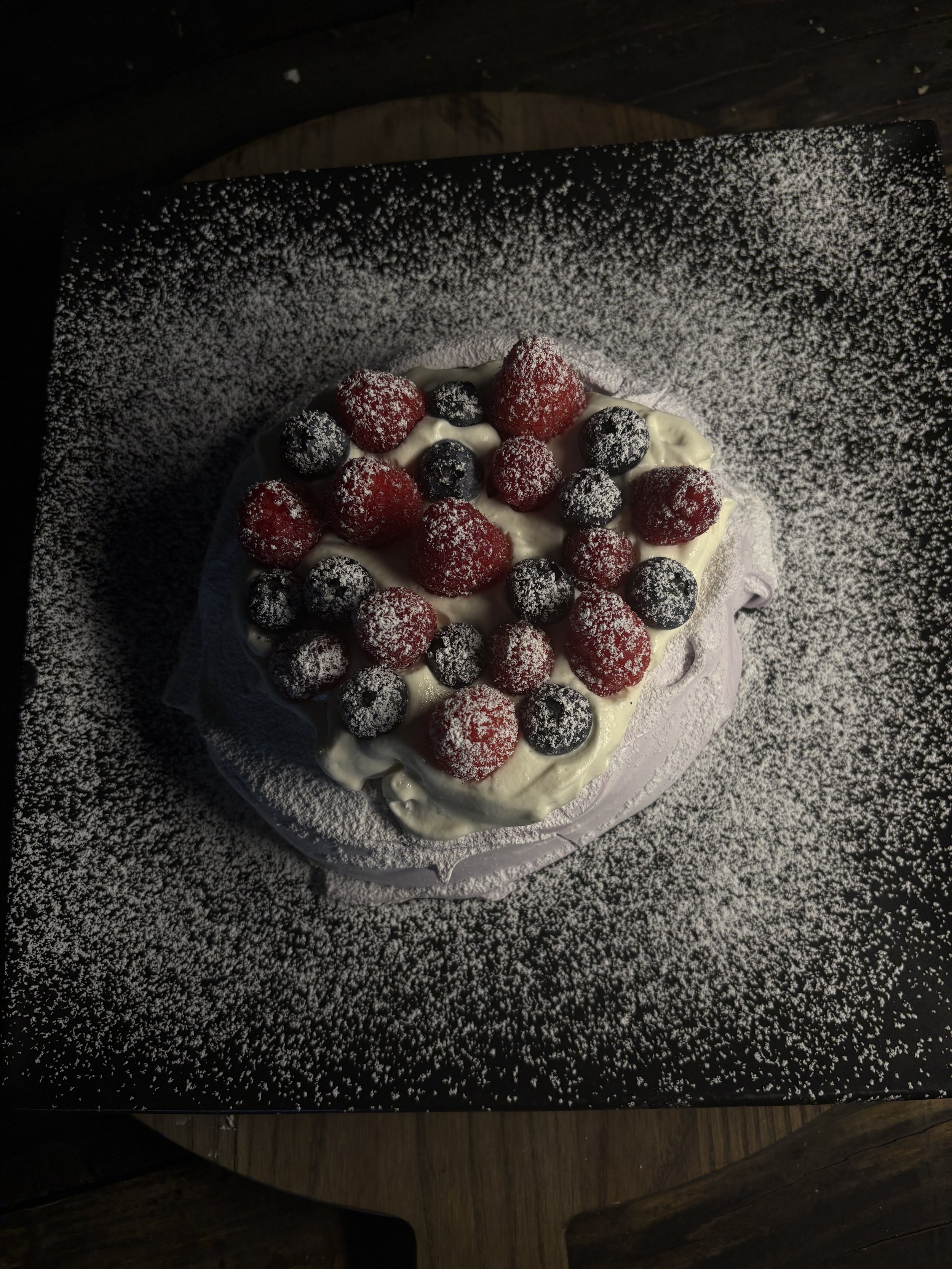
Pavlova
Making meringue looks deceptively simple—just egg whites and sugar, right? But once you’re actually standing over the mixer, watching the glossy peaks rise (or fail to rise), you realize there’s a real science behind it. So for a technical skill demo, I made both a pavlova and classic French meringues, but the meringues quickly became the heart of my project. They’re small, they’re cute, and they tell the truth about your technique instantly. There’s no hiding behind frosting or fillings. Just skill, patience, and precision.
The Vision: What I Wanted to Create
For this demo, my vision was to show control over a delicate technique. Meringues rely on structure, timing, and accuracy, so they were the perfect way to demonstrate technical growth. I wanted my meringues to be:
Crisp all the way through
Shiny and smooth on the outside
Light, airy interiors
Uniform in piping and size
I also wanted to tie everything together with a pavlova—a dessert that uses the same foundational technique but tests how well I can manage texture: crisp shell, marshmallow center, and a stable shape.
Reflection: Why Meringues, and What I Learned
I picked meringues because I love desserts that look elegant but rely heavily on fundamentals. Meringues are basically a trust exercise between you and your mixer. You have to believe in the process—whip long enough, add sugar slowly, don’t rush the drying time. They taught me patience, timing, and how important it is to understand why steps matter, not just how to follow them.
When making this dessert, the most crucial part was how much humidity plays a role. On a damp day, meringues can turn sticky or collapse. Compared to other baked desserts I’ve made, these required a deeper awareness of ingredients, equipment, and environment. The final taste is light and crispy with a sweet, melt-in-your-mouth finish—totally different from the creamy pavlova, which is soft inside and almost cloud-like.
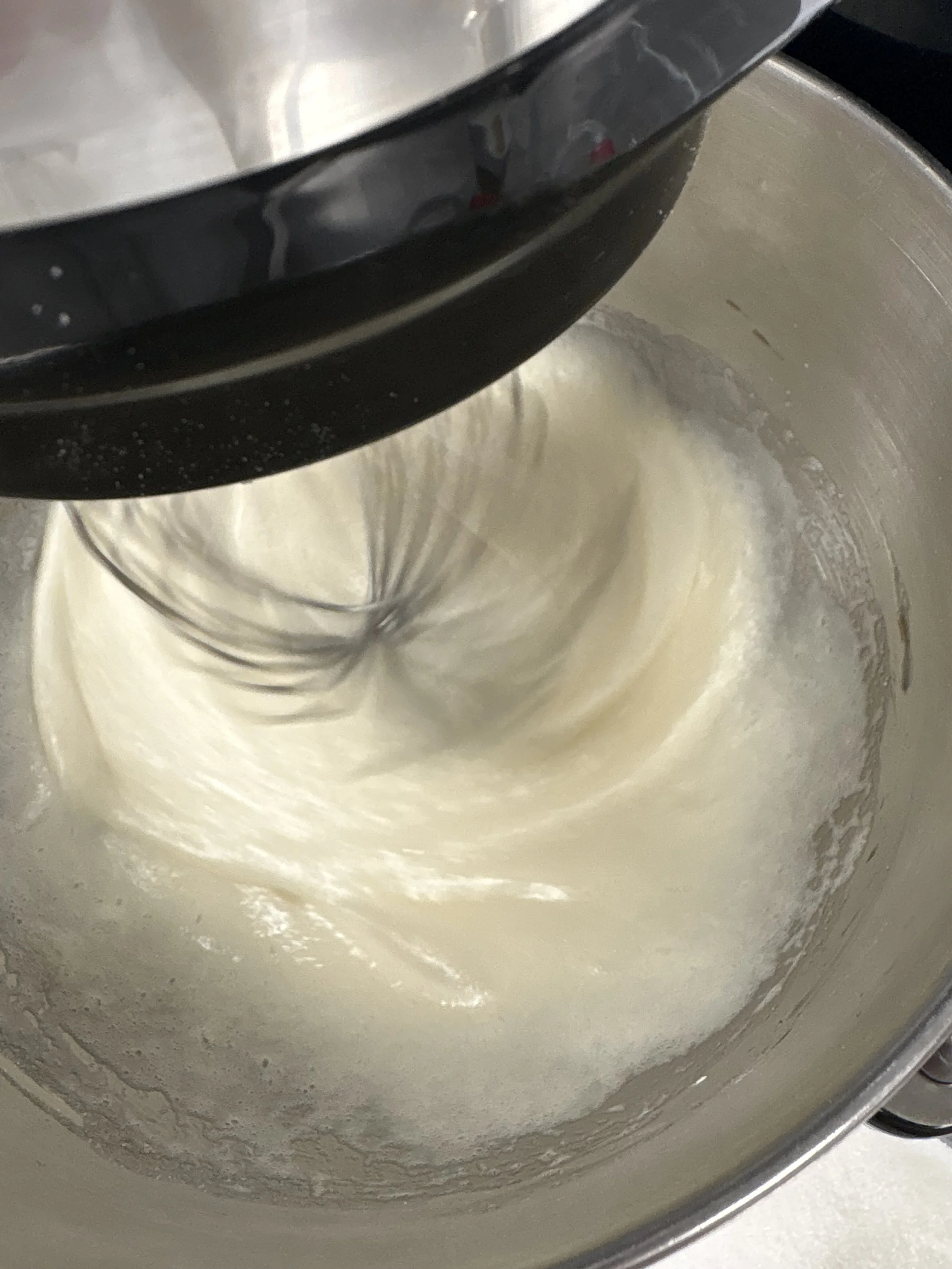
Mixing Till Stiff Peaks
Step-by-Step: How I Made the Meringues
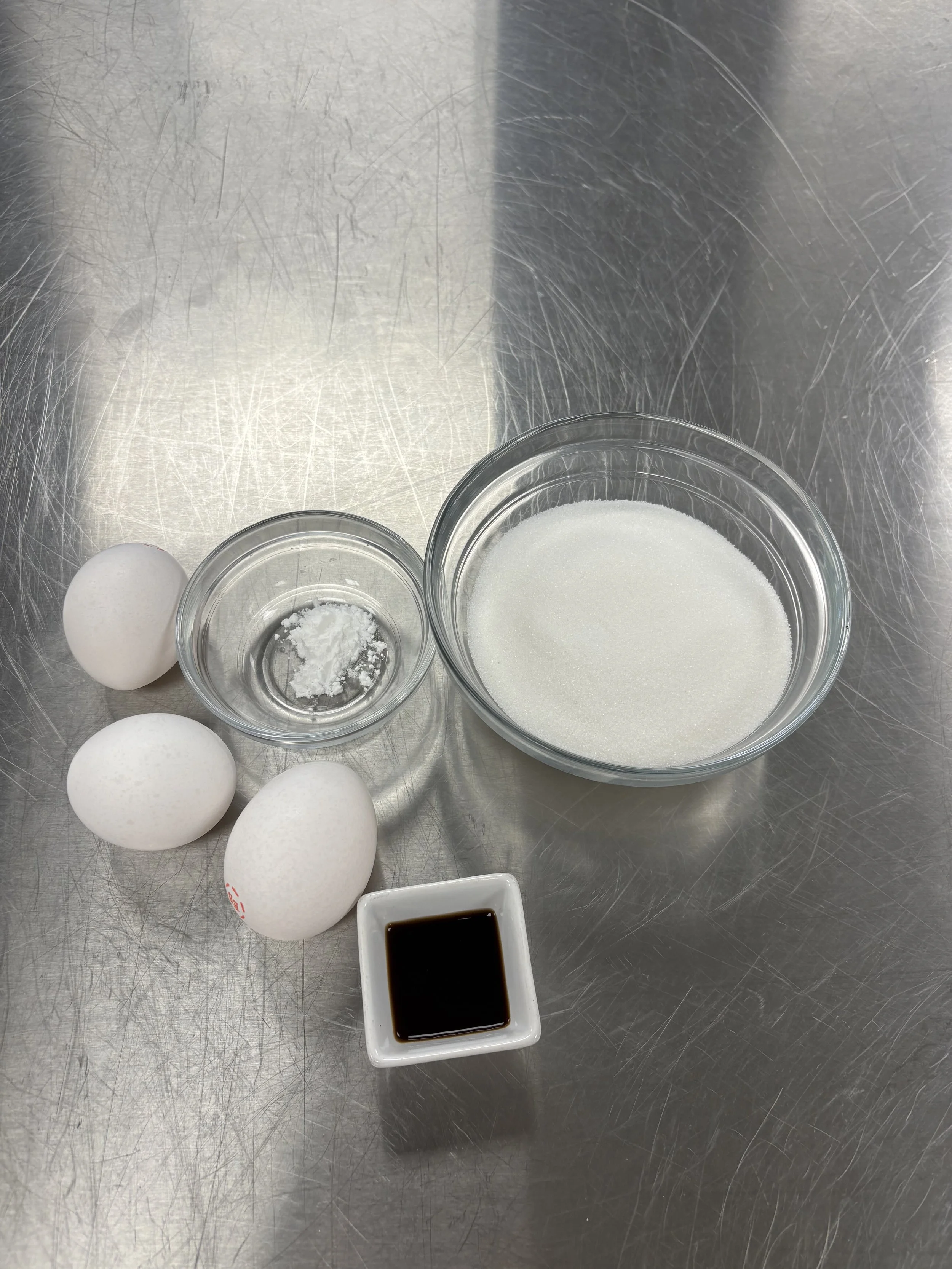
Ingredients
3 large egg whites, room temperature
3/4 cup granulated sugar
1 tsp vanilla extract
¼ tsp cream of tartar
Pinch of salt
Process
1. Start with a clean bowl.
Any fat—like a smudge of yolk—will stop the whites from whipping. I wiped the bowl with vinegar to make sure it was completely clean.
2. Whip the egg whites to soft peaks.
This is the stage where they look foamy but not stiff yet.
3. Add the sugar slowly.
One tablespoon at a time. If you rush this step, the sugar won’t dissolve and your meringues will turn gritty.
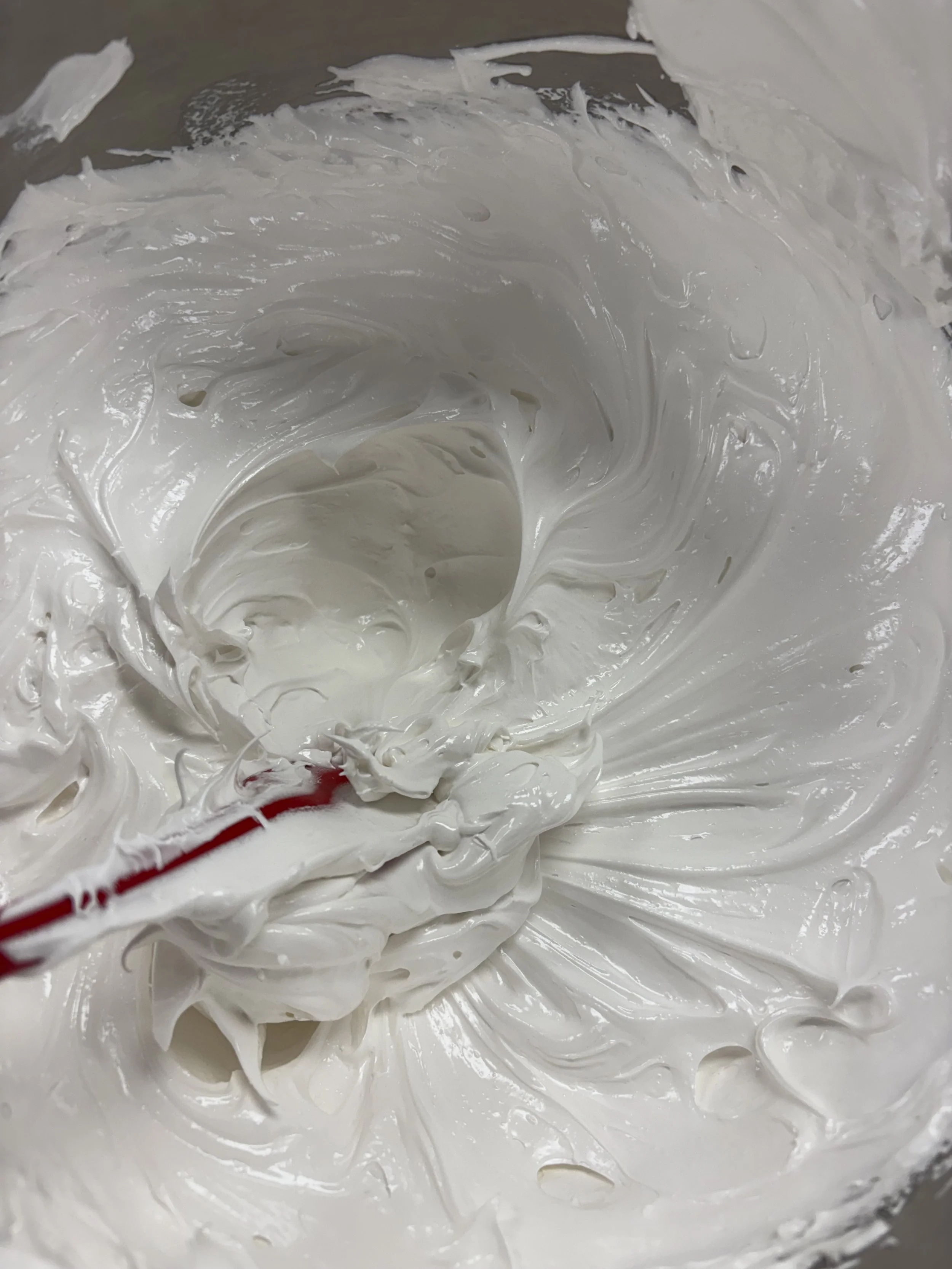
4. Beat until stiff, glossy peaks form.
This is where the magic happens. The mixture should look shiny and hold its shape.
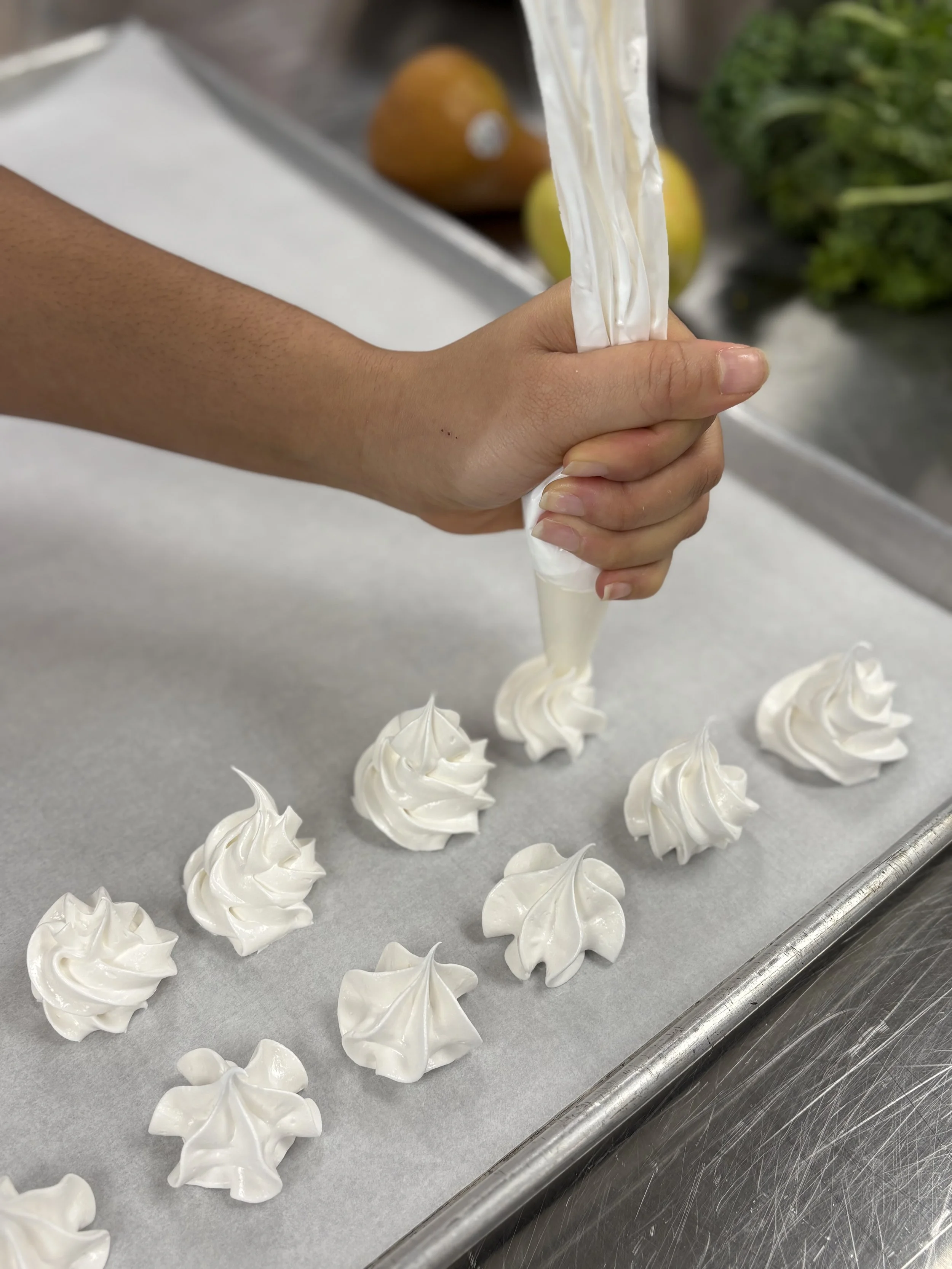
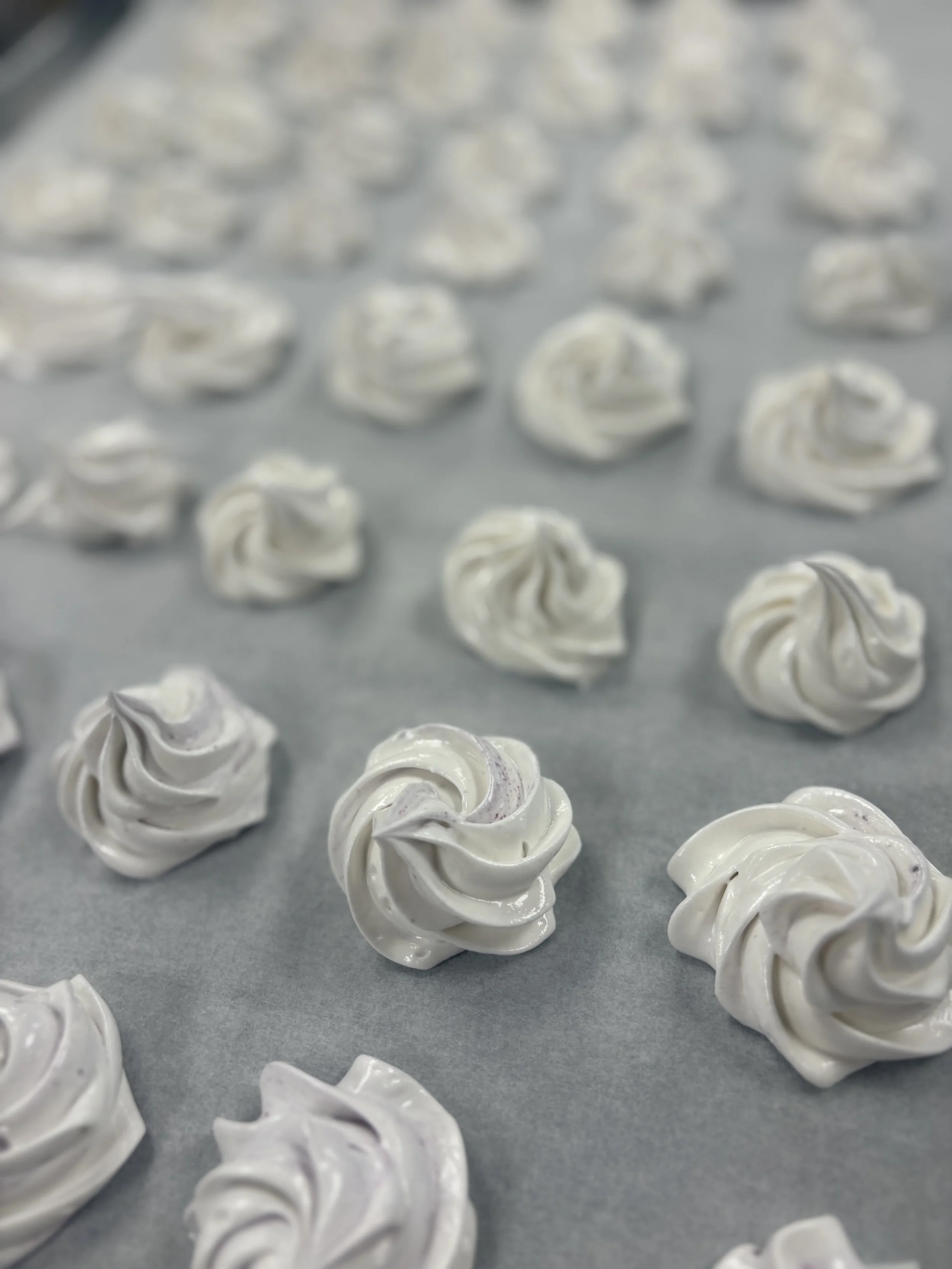
5. Pipe the meringues.
I used a star tip to create consistent swirls. Uniformity matters for even baking.
6. Bake low and slow.
215°F for about 2 hours, then let them cool in the oven. This prevents cracking and keeps the insides perfectly dry.
photos of piping + baked meringues
The Finished Product: Taste, Texture, and Technique
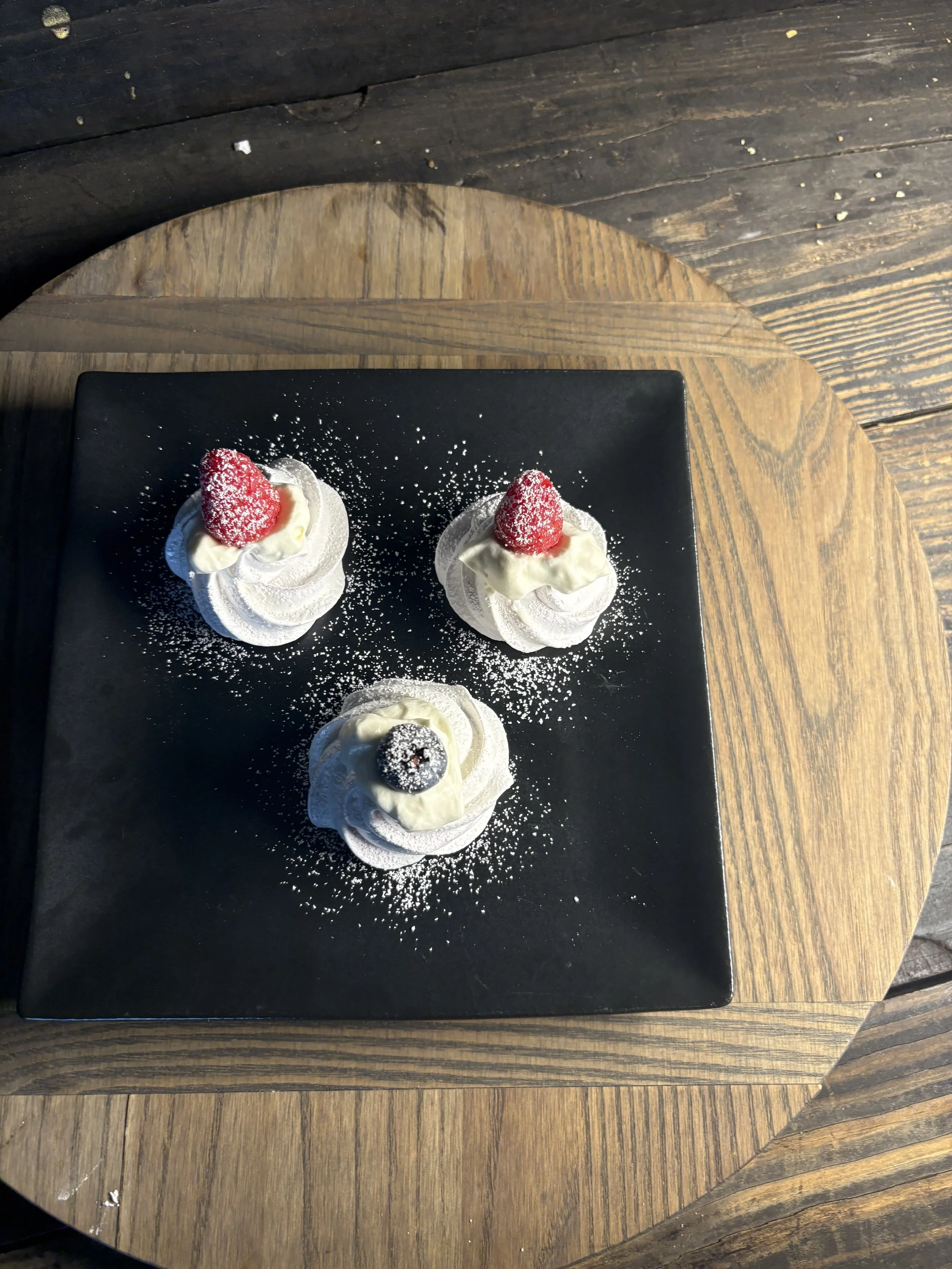
The meringues came out crisp, light, and sweet—exactly what I wanted. Compared to the pavlova, which has that creamy marshmallow center, these were like the pure, simple form of the technique. They reminded me why I love baking: everything depends on small details, but when you get them right, the results feel effortless.
For anyone making these at home, this recipe is doable at any skill level. Beginners will learn technique, and more experienced bakers can play with flavors or shapes. They’re accessible but still elevated.
Audience + Purpose: Who This Is For
This blog post is for both culinarians practicing technique and home bakers who want to better understand meringues. I try to keep the language welcoming while still explaining the “why” behind the method so anyone reading can learn something new.
Final Thoughts
Working with meringues taught me a lot about control, timing, and confidence in my technique. They might look simple, but they carry a lot of skill within them. This demo helped me grow not just as a baker, but as someone who loves feeding people desserts that feel intentional, pretty, and full of care.
Mise en Place
Meringues with cream and berries
